How to Safely Dock & Refuel Your Boat at a Marina Fuel Dock
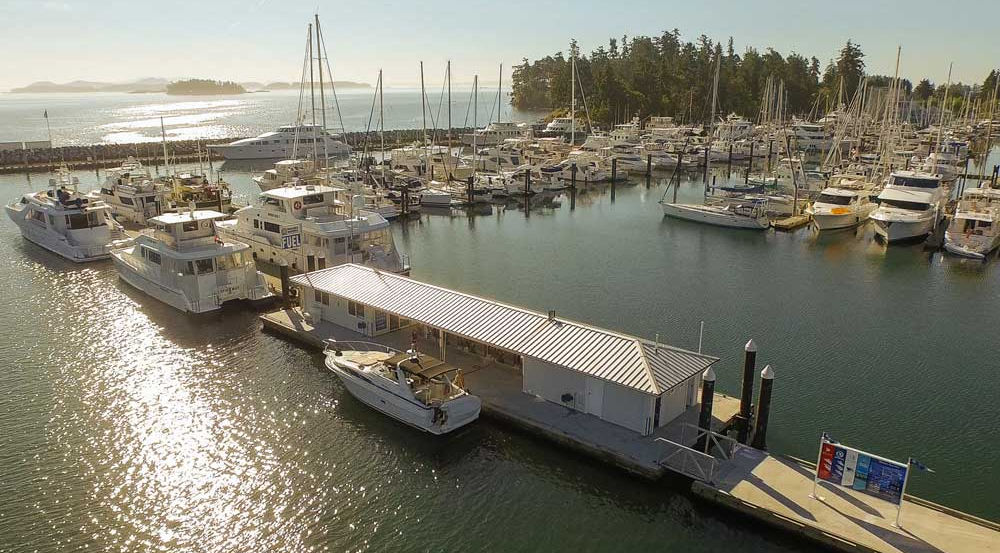
Summertime is peak boating season here in BC. Every year, thousands of British Columbians hit the open waters in recreational boats to enjoy our stunning waters, beaches and islands.
Waterways and marinas will be busy this time of year. It’s up to boat captains to take responsibility for their safety and the safety of others, while being diligent to protect the environment.
This article highlights how to approach the Van Isle Marina fuel dock safely and refuel responsibly.
Fuel Dock Quick Links:
- Out on the water? Click for Google Maps coordinates to the fuel dock and marina.
- Driving? Click for Marina directions.
- Fuel Prices: Call us at 250.656.1138
- Fuel Dock Hours:
- 8am – 4:00pm daily (Winter Hours)
- 8am – 8:00pm daily (Summer Hours)
- Marine Diesel & Gas Discounts: See our fuel dock info page.
How to Approach the Dock
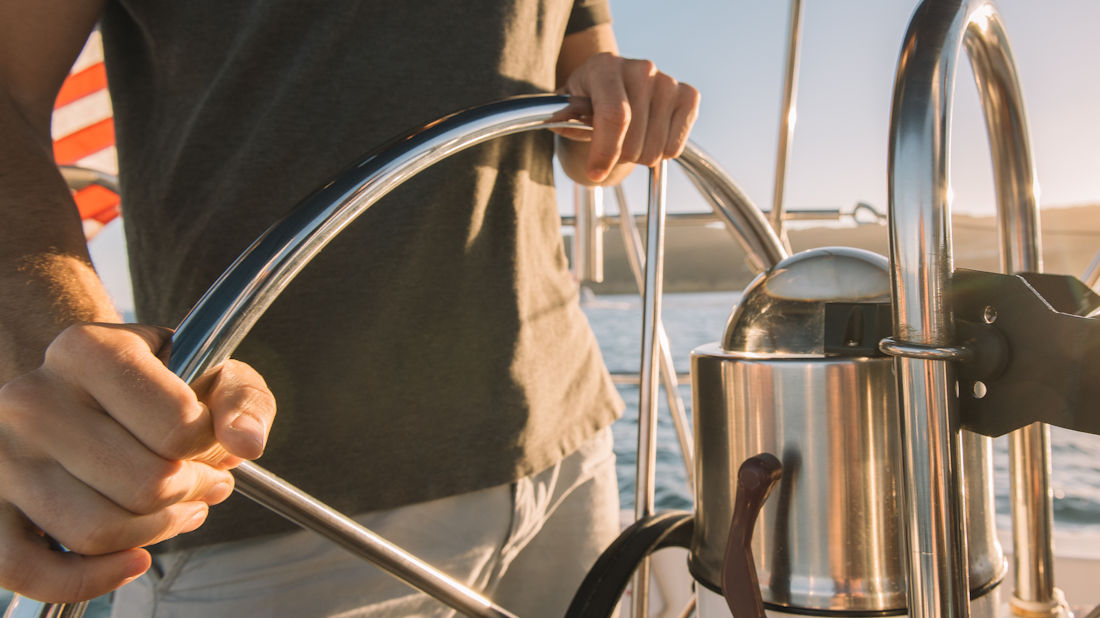
Docking a boat in a busy marina or fuel dock area is one of the more stressful experiences of boat ownership, especially if you’re green. But guests of Van Isle Marina have it a little easier. Give our fuel dock a call ahead of time and we’ll assist you in docking.
When it’s time to actually dock your boat, there will be a lot of moving parts to keep in mind. One of your primary concerns as a captain should be the wind. If wind is blowing into the dock, get parallel and allow it to push you home. If the wind is blowing out, approach at a steep angle before swinging the stern towards the dock. Ideally, you’ll pull up heading into the wind or current – whichever is stronger, which acts as a natural brake.
When making your approach, slow all the way down. That way the worst case scenario won’t be tragic or costly. And don’t be afraid to try your approach again. Drop your fenders and prep your lines before you approach. And once you’re satisfied with your docking job, don’t kill the engines until all lines are secure.
Preparing to Refuel Your Boat
Once your boat is tied securely to the dock, there are a number of preparations to consider before we even touch the fuel. The first step is to kill all power, including the engines, navigation, and electronic accessories. If you have appliances or equipment capable of producing flames, those all need to be fully extinguished and turned off.
Next, everyone on board needs to exit the vessel while the refueling is happening. This is a great time to check out the marina or catch a bite at the West Coast Grill while the ‘captain’ monitors the refueling. Before the captain leaves the boat, they’ll need to seal the cabin completely including any ports or windows. This will stop fuel vapors from entering the boat.
The Van Isle Marina fuel dock provides all of the safety and clean up requirements in case of any situation, so make sure that you know where they are and keep a few rags handy for any minor spillage. You’ll also want to check that you know exactly where the fire extinguishers are – both on the dock and in your vessel.
Pumping Fuel
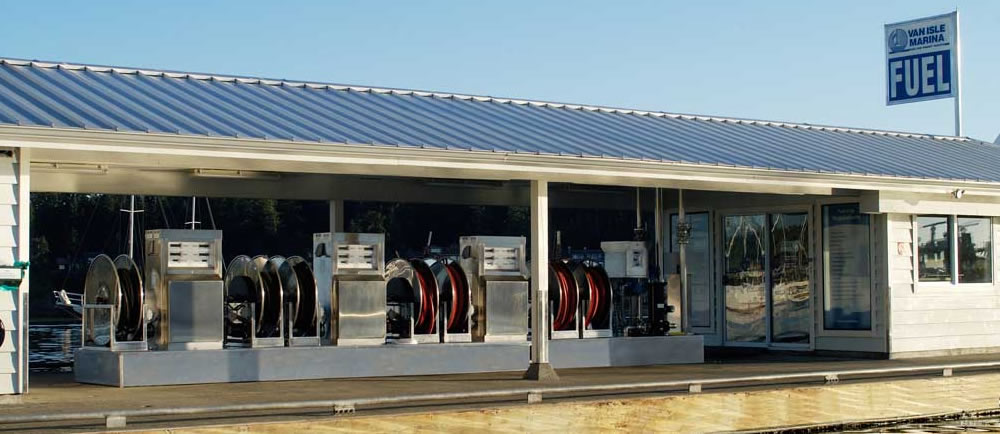
When you’re ready to begin refueling, first double check the type of fuel you need and the capacity of your fuel tank. Then locate your fuel fill port (not to be confused with water or waste). Finally, protect the water below by wrapping a pad around the nozzle. Now you’re ready for action.
When refueling a boat, slow is the name of the game. If the fuel is dispensed too quickly, you risk a spill. Keep the fuel nozzle completely in contact with the fill port and fill slowly to allow air to escape while refueling.
Unlike at a gas station for cars, any mechanism that locks the trigger is prohibited at a marina fuel dock. A good rule to abide by is never fill your tank past 90%, as fuel is known to expand in the summer heat. And if you hear a gurgling sound, it’s time to stop pumping.
Cleaning Up
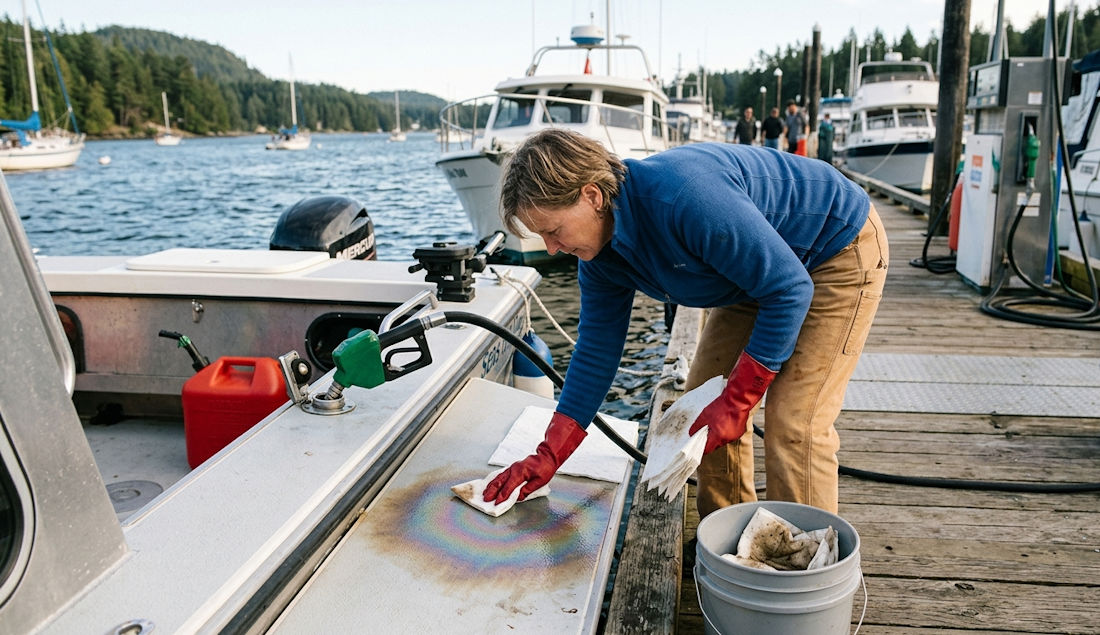
Oil spills will wreak havoc on the local environment, so it’s important that every little spill is addressed immediately. Oil blocks sunlight and oxygen from penetrating the surface of the water, and will damage the respiratory systems or wildlife. Even a small spill can impact acres of surface water and cause great damage to marine life.
Precaution is the best defense when refueling. Absorbent cloths, spill pads, and other protective equipment will be available at the marina and should be take advantage of.
If you do spill some oil – even just a few drops, it’s vital that you clean it up right away. When you’re done, all materials will need to be deposited into the hazardous waste bin. And never use soap, which is not only illegal, but ineffective and nearly just as harmful to marine life.
Departing the Dock
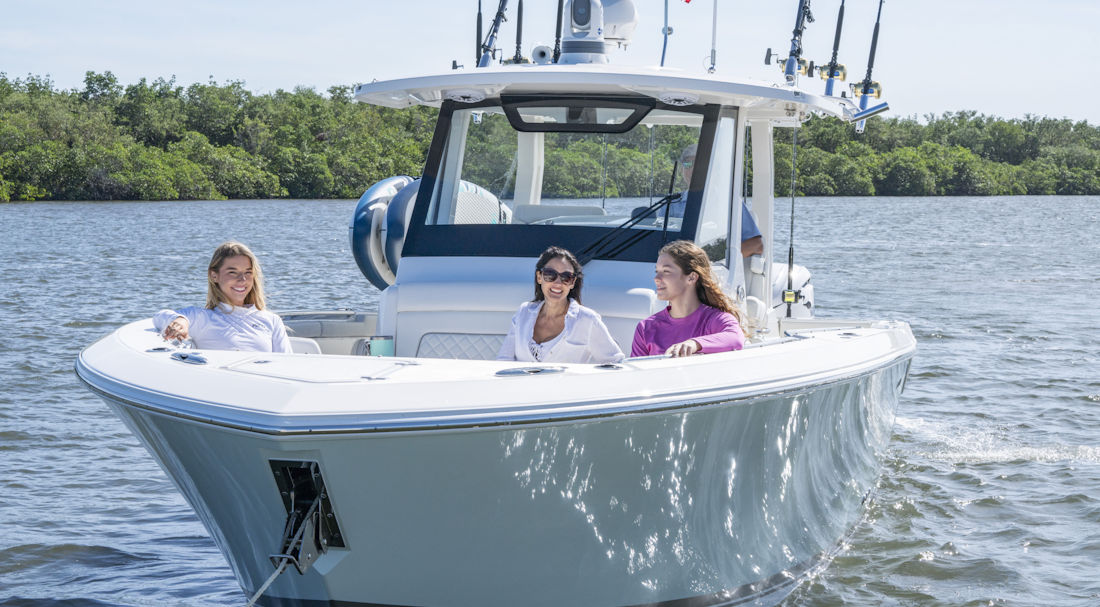
Before you depart back to the open water, there are a handful of safety precautions to keep in mind.
First, start your blower and open the engine hatch. If you smell fumes, that means there’s been some kind of a leak. Next, do the same with the bilge. Airborne fumes can be extremely dangerous, so the captain will need to clear the vessel before welcoming passengers and heading out to the water.
Ensuring you’ve left the fuel dock and in no worse of a state than you found it, you’re now ready to depart. At Van Isle Marina, our friendly staff will guide you out and on your way.
To inquire about moorage at Van Isle Marina, check out our updated mooring and marina rates. Contact us to reserve your spot:

