How to Sail to the USA From Canada – Know Before You Go
You’ve just bought a fancy new boat or yacht, and you’re itching to sail across the border into the USA. You can literally see the islands and shoreline across the ocean from Victoria. You can totally do this, but you’ll need to get your ducks in a row first, as there are some very serious consequences for sailing across the border without getting your documentation in order before you go. We’ll dive into the most important things that you need to prepare for before you sail. Read on and get ready to explore the amazing coastline of Washington State and beyond!
There is a glut of natural beauty in the United States to explore by boat. Just south of us in Washington, when sailing from British Columbia, you’ll find destinations like the San Juan Islands, Anacortes and Blake Island State Park; all well-known sailing destinations and adventure spots. Just like in BC, Washington State is home to dramatic island chains, rugged cliffs and coves, lots of wildlife and an abundance of Pacific Northwest charm.
However, you can’t just toss a picnic in your boat and cast off to the USA. Sailing across the border isn’t so simple. Just like crossing a land border, there are very specific rules and regulations specific to watercraft that you need to be aware of before you haul anchor.
Personal Identification
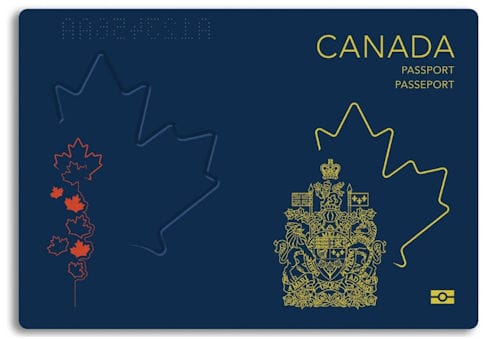
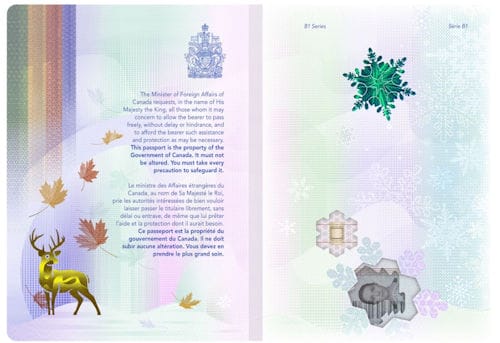
Every person on board age 16 and older will need identification in order to cross into the United States. This is the requirement for entry by water under the Western Hemisphere Travel Initiative (WHTI). A valid Canadian passport is your best option – just make sure each passport is valid for the entire duration of your travels. For children under 16, a passport will work but is not necessary if you’re carrying either a birth certificate (a copy will work) or a Canadian citizenship certificate.
As an alternative to a passport, you can present a NEXUS card. NEXUS is meant to expedite the border crossing process, but you can still expect a face-to-face inspection along with the completion of other border crossing steps.
Canadians are permitted to enter the US without a visa, so long as the trip is under 6 months and for tourism. If you’re travelling for work or to study, you’ll need special documents. Visit THIS SITE to learn more about travelling to the USA for study.
Boat Documents
On top of ID for each passenger, your vessel is required to provide its own identification as well. First, you’ll need proof of vessel registration from Transport Canada, which acts as a formal title of ownership with a unique official number and name reservation. Basically, prove that you own the vessel and have permission to operate it.
In addition to registration, you may also need a license. As a leisure boater, your best option is the Pleasure Craft License (PCL), which remains valid for 5 years and costs just $24 to apply, renew or transfer. The PCL is required if the boat is operated and maintained in Canada and has one or more engines totalling at least 10 horsepower. If your boat is registered in Canada already, you likely won’t need a PCL. Always do your research before you leave! These types of permissions can change on a whim.
Learn more about the Pleasure Craft License on the federal government site.
Each PCL has a unique number, similar to the license plate on your car. This decal must be displayed on both sides of the bow of your vessel.
If your boat is 30 ft or longer, you’ll also need a special DTOP decal, which stands for Decal and Transponder Online Procurement System. This can be purchased online ahead of time and displayed on the vessel. They cost $38 (USD) and last for one calendar year, with renewal available at the same price.
Crossing the USA Border
Before You Cross
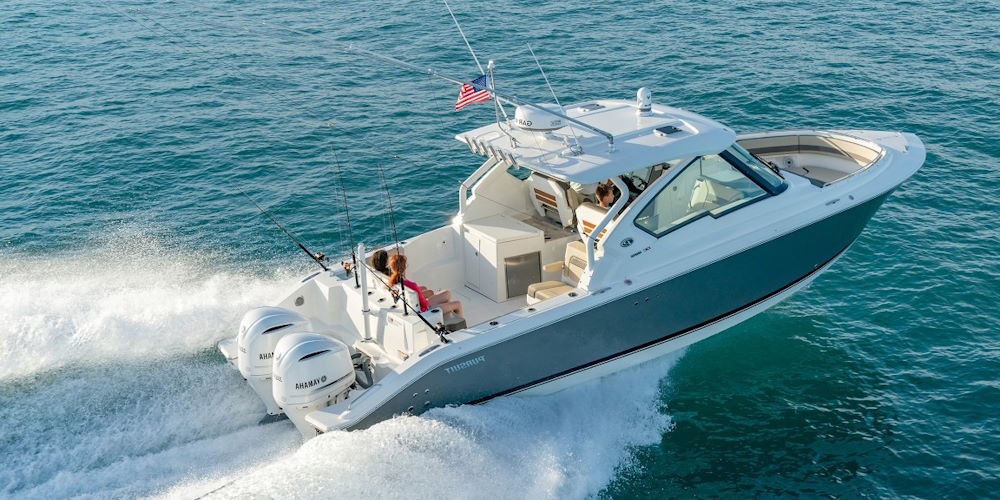
Crossing the border by boat isn’t as simple as showing up unannounced and waiting in line. By boat, there are steps that need to happen before you arrive.
The first step is to download the CBP ROAM™ app on your phone. It’s a free app released by U.S. Customs and Border Protection (CBP), which gives pleasure boaters the option to report their border crossing from their phone. Before you leave, get the app set up with your personal profile, boat details, and IDs loaded up.
The I-68 Program
The Canadian Border Boat Landing Program, known as I-68, is an alternative to in-person reporting once you’ve crossed the border. This is a great way to speed up the process, giving you the ability to check in 100% digitally without any inspections. Though it does require some planning.
You can get an I-68 in person at a designated CBP office, located throughout the US with many locations in the Puget Sound/Pacific Northwest region. Here, CBP will conduct an interview and inspection complete with photographs and fingerprinting. Just be sure to call ahead and show up with valid ID for each applicant.
Crossing the Border
Once you cross the border into the US waters, you can officially check in using the ROAM app. Doing so may prompt a video or phone call with a CBP officer, which may alleviate the requirement for a face-to-face inspection. If you don’t have an I-68, CBP may direct you to report to a physical port for an in-person inspection.
If you fail to check in via the ROAM app or declare entry with CBP, you could be subject to heavy fines, vessel seizure or cancellation of travel privileges. However, you do not need to check in if you’re simply passing through US waters without anchoring, mooring, or contacting another vessel.
A Few Extra Rules You Should Know Before You Sail
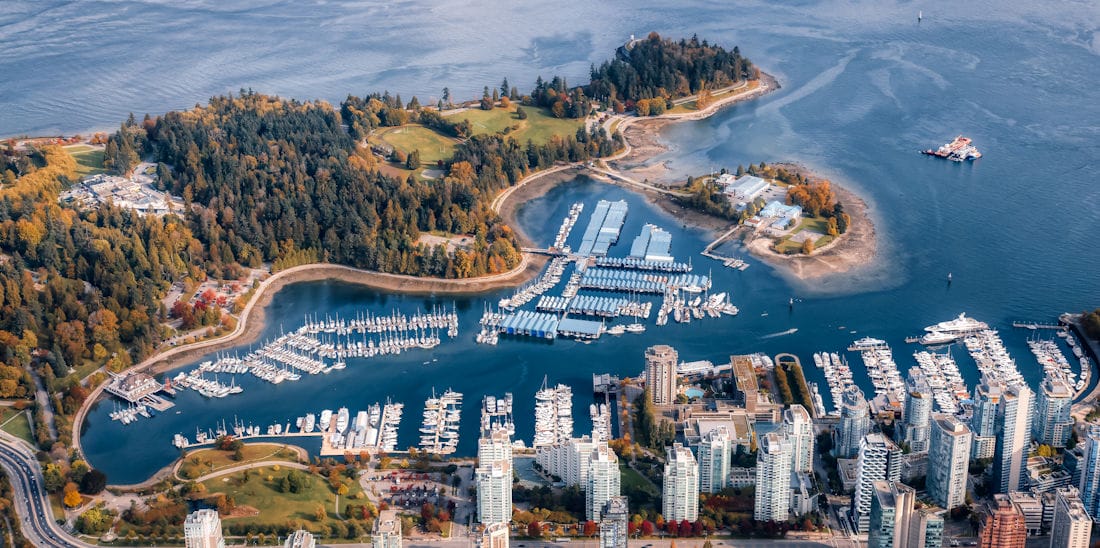
When travelling into the US from Canada by boat, there are a few extra rules to be aware of outside of documentation and the border-crossing process.
First, you’ll need to have your head on a swivel for other vessels. To be safe, retain at least 100 m of distance between your boat and any military, cruise or commercial vessel.
Near ports and harbours, there are also strict slow-no-wake rules to abide by. That means travelling at the slowest possible speed while maintaining steerage, while producing minimal to no visible wake. This will be enforced near marinas, fuel docks, boat ramps, narrow channels, bridges and anchorages – basically anywhere there are other boats, people and infrastructure.
Next, there are similar rules in place as standard land or air border crossings. That includes absolutely no cannabis going over the border in either direction. It also means no firearms (unless declared and compliant with US laws) or agricultural products.
Looking for a new boat for your next adventure? Visit Van Isle Marina in Sidney, BC, and browse our selection of new and pre-owned motor yachts and sailboats. Contact us to inquire about buying, selling or trading in:
