Learn more about our news and special events, both here at the marina or out and about on Vancouver Island and the Gulf Islands.

33 Different Styles of Fishing

33 Ways to Fish – from Angling to Trotlining

When you find the fishing technique you prefer over all other styles, it’s quite easy to forget that other styles of fishing even exist! But at Van Isle Marina, we believe it’s never too late to try something new. If you’re new to the world of fishing or just looking for another type of fishing style to master, check out our overview of the different types of fishing out there.

As a community of enthusiastic boaters, our favourite way to fish involves anything off a boat. Whether it be angling, jigging, trolling, or fly fishing, we believe fishing from a boat is most effective because it gives you more access to different species of fish and increases your chances of a bite. Fishing on a boat is also comfortable and fun! Fortunately, many of these styles of fishing included in our list can be done from a boat.

33 Fishing Styles

Angling – refers to using a hook attached to a line to catch fish. Angling is almost always done with some type of bait and sinker on the hook. It can be done on the shore, off a dock, or on a boat.

Bank Fishing – a style of angling off a river bank or a similar shoreline, usually with a fishing rod, or, less commonly, nets, traps, and spears.

Bottom Fishing – This angling technique refers to fishing on the bottom of the seabed, usually for groundfish like suckerfish, bream, catfish, and crappie. A weight is added to the end of your line or rod.

Casting – this refers to using a flexible fishing rod to throw (cast) your fishing line out, over, and into the water. Casting is a sport all on its own, regardless of any fish that are caught, with tournaments marking competitors on their accuracy and distance.

Chartered Fishing – refers to fishing with or without a tour guide aboard a boat that you have hired for the duration of the trip. Charted fishing excursions can involve any number of techniques listed here.

Commercial Fishing – fishing for profit. The commercial fishing industry is heavily regulated by Fisheries and Oceans Canada, a federal governing body.

Droplining – refers to dropping a long fishing line straight down, without casting far off into the water. A dropline often has several hooks attached to it, although not as many as a longline. It’s a form of angling, meaning there is a hook and bait involved, as well as a weight at the bottom and a float at the top.

Fly Fishing – refers to a style of fishing in which artificial flies are used to lure fish to your line. It’s an older method of angling, particularly effective for trout, salmon, bass, carp, and more. Fly fishing is commonly done off the shores of river banks or standing right in the river.

Freshwater Fishing – fishing in lakes and rivers using any technique. Freshwater fishing is heavily regulated in BC. Learn more about freshwater fishing licences and regulations in British Columbia

Hand-Gathering – Hand-gathering is the act of fishing with the simplest set of tools – your hands. There are many styles of hand-gathering fishing, such as simply picking up shellfish or clam-digging at the beach. Pearl divers are also hand-gatherers, and divers can also fish for lobsters using just their hands.

Handlining – a type of fishing using a single fishing line that is held in your hands. It can be done from boats or from the shore, mainly for catching groundfish.

Ice Fishing – refers to fishing with lines and hooks through a small opening in a frozen body of water.

Jigging – a popular style of angling in which a jig is the chosen type of fishing lure. A jig consists of a hook moulded into a lead sinker that is covered by a soft, coloured rubber.

Kayak Fishing – this angling technique refers to fishing off the side of a kayak. Special considerations must be made on what equipment to carry, and how it will be fitted to the small-sized vessel.

Kite Fishing – a unique style of angling, kites can be used for trolling a lure through water and provide people without boats or people with mobility issues greater access to hard-to-reach bodies of water. This type of fishing is more common in places such as the Pacific Islands and Australia.

Longlining – this commercial fishing technique involves the use of a long, heavy fishing line that has hundreds of baited hooks hanging from it via branches, a.k.a., “snoods”. Longlining is typically done on boats called longliners that use a special winch to haul in the line and operate in deeper waters. Longlining is a common method used to catch swordfish, tuna, halibut or sablefish.

Netting – a style of fishing using nets to capture many fish at once. It’s the main method of commercial fishing. There are many types of nets to use, including:

  • Cast nets: round, weighted nets, also called throw nets.
  • Drift nets: nets that are not anchored.
  • Hand nets: small, hand-held nets that remain open using a hoop.
  • Gill nets: a special net that a fish cannot pass through without hooking its gills on the mesh.
  • Trawl nets: large nets that are towed through the water by a boat called a trawler.

Noodling – a style of hand-gathering fishing in which the “noodler” sticks their arm in a catfish hole, hoping for a bite. It’s dangerous, and therefore illegal in some states.

Pitch Fishing – a method of angling which involves intentionally casting your line and lure out at a lower angle so that it enters the water quietly, so as not to scare the fish away.

Recreational Fishing – fishing solely for fun. Recreational fishing is an overarching type of fishing that involves any number of techniques listed here, especially saltwater fishing and freshwater fishing.

Remote Control Fishing – picture a floating drone rather than a flying drone, with a fishing rod attached to it, and you get a good idea of what remote control fishing is all about.

Rock Fishing – a style of angling in which you are fishing off the edges of rocky jetties and cliffs. This is considered a highly dangerous type of fishing.

Saltwater Fishing – fishing in salt waters (oceans). Also called “tidal waters fishing”. To fish in salt waters in BC, you must get a tidal waters fishing licence.

Slabbing – used to catch bass, this line fishing technique involves constantly lifting and dropping a flat lead lure painted to look like a baitfish. To be most effective, the fishermen must first locate a school of fish using a fishfinder.

Spearfishing – refers to any form of fishing that involves impaling the fish using a spear on a long pole. Spearfishing is usually done in shallower waters when the fish are visible. It requires you to be quick and precise with your movements. You can spearfish off a boat or by wading into the water.

Spears can be simple or complex, ranging from bow and arrow style, harpoons, Hawaiian slings, trident-type spears, and modern spearguns:

  • Bowfishing: involves using a bow and arrow to kill fish in shallow water from above.
  • Harpooning: involves using a long spear-like tool, often with barbs at the end.
  • Pole spears: involve using a sling attached to the spear.
  • Hawaiian slings: involve using a sling separate from the spear (slingshot or an underwater bow and arrow).
  • Tridents: tridents are spears with three prongs rather than a single prong.
  • Gigging: involves using small, trident-type spears to kill bullfrogs.
  • Pike Poles: an older form of spearfishing, particularly used during ice fishing. Instead of a spearhead, two smaller, curved spikes were used.
  • Spearguns: used for fishing and target practice, spearguns are deployed by divers underwater. There are threaded, lined, and break-away varieties.

Sportfishing – refers to fishing competitively to see who can catch the heaviest fish, or who can catch the most fish. Sport fishing often involves large cash prizes and bragging rights for the winner.

Surfcasting – refers to fishing from the shores of a saltwater beach. Surfcasting is a style of angling that requires a long surfcasting rod and the ability to cast a large distance.

Tenkara Fishing – a Japanese style of fly fishing (angling) that was first done with a bamboo pole and no reel. Modern tenkara fishing rods use a tapered or level line and are mostly telescopic and made of graphite.

Trapping – refers to the sinking of baited traps to the bottom of the seabed in the hopes that fish swim into the trap. The traps resemble large cages and are commonly used for crab and lobster fishing.

Trawling – the process of dropping a large net off the side of a slow-moving boat called a trawler.

Trolling – a line fishing technique that involves slowly pulling one or more baited lines through the water. It can be done effortlessly off the side of a moving boat, or from land, as you cast your line as far as you can and slowly reel the line back in.

Trotlining – Trotlining is a line fishing technique that is a lot like droplining, but the trotline’s hooks are suspended horizontally in the water, rather than vertically. This fishing technique is good for fishing across rivers.

While we here at Van Isle Marina on Vancouver Island love a lazy afternoon of fishing from shore every now and then, we believe there’s no better feeling than reeling in a big one onto your motor yacht.

If you’re on the market for a new fishing boat, check out our selection of fishing boats for sale. We invite you to learn more about our yacht sales process or come and see our marina in Sidney, BC.

For tips on when to use lures or live bait, check out our Lures vs Live Bait debate.

No matter what style of fishing you love the most, when you eventually catch one or two, you’re going to have to know how to clean them to preserve their flavour.

For a hands-on look at some amazing sport fishing boats, contact Van Isle Marina Today!

Contact Van Isle Marina Today

Birdwatching from Your Boat

Common Seabirds of Vancouver Island


As you cruise around Vancouver Island and the neighbouring Gulf Islands of Canada’s west coast, you won’t be able to ignore the diverse population of birds soaring above you or swimming beside your vessel. Vancouver Island is a birdwatcher’s paradise, with so many different types flocking to and from the island throughout the year, both on land and in the sea.

Here is a quick look at some of the birds you’re likely to spot while boating in the Pacific Northwest around Vancouver Island. Have your binoculars and camera ready!

Types of Birds Around Vancouver Island

Ducks

There are many ducks to be found close to the shoreline surrounding Vancouver Island, including sawbill ducks known for their saw-toothed bills which are ideal for catching fish underwater. Mergansers, which are commonly found in winter, are the most common sawbill duck found around the island. There are also Harlequins (spring and summer breeders), Eiders, Scoters, and Goldeneyes, which migrate in late fall and early spring.

Loons

There are four main types of loons living around Vancouver Island: the Common Loon (as found on Canada’s $1 coins called “Loonies”), Pacific Loon, Yellow-billed Loon, and Red-Throated Loon. Loons are aquatic birds that are larger than ducks but smaller than geese. They are hardy birds seen year-round in our waters, but especially in the winter.

Albatrosses

Known for soaring great distances despite their incredible size, the albatross is hard to miss. Albatrosses are large seabirds that originated in the Atlantic but are now common around the Pacific Ocean. Albatrosses found in our region are the Black-footed (most common), Laysan, and Short-tailed Albatrosses. Back in the day, sailors regarded the Albatross as a symbol of good luck.

Shearwaters

If you’re out far enough from the shore in your boat, you might spot a shearwater or two, which are known to follow whales and fishermen around in search of an easy catch. The Pacific Ocean is home to several species of shearwaters, including the Short-Tailed, Sooty, Flesh-Footed, Pink-Footed and Buller’s shearwaters.

Storm Petrels

Storm Petrels are known for their tube-shaped beaks. They are similar to shearwaters, but don’t fly so close to the waves. There are two main types of Storm Petrels in our region: the Fork-tailed Storm Petrel and the Leach’s Storm Petrel.

Cormorants

Cormorants are large birds with distinctive hooked bills used to catch fish as they dive beneath the sea’s surface. Cormorants found around Vancouver Island include the Double-Crested, Pelagic, and Brandt’s Cormorant.

Plovers

You’ll find plovers wading along the shoreline feeding on insects, crustaceans, and worms. The main plover species living around Vancouver Island include the Pacific Golden, American Golden, Black-Bellied, and Killdeer plovers.

Sandpipers

Sandpipers also wade along the shorelines hunting for food. They have long bills, which set them apart from plovers. Vancouver Island is home to sandpipers like Godwits, Turnstones, Shanks, Tattlers, Dowitchers, and Calidrids.

Skuas & Jaegers

Skuas and jaegers are strong, “scrappy” birds that like to take their food from gulls and other seabirds. Species in the region include the Pomarine Jaeger, Long-Tailed Jaeger, Parasitic Jaeger, and South Polar Skua.

Murres, Auks & Puffins

These closely related seabirds are all known to be clumsy on land, but fast underwater. With their black and white feathers and upright posture, these birds may remind you of penguins, but there is no relation. Notable species to look out for while boating are the Tufted Puffin, Cassin’s Auklet Common Murre, Ancient Murrelet, and endangered Marbled Murrelet.

Gulls

Considered very much to be coastal birds, gulls are practically synonymous with the sea, and there is certainly no shortage of gulls living around Vancouver Island. The Western Gull is the most common gull in the region, but there are many others, like the Ring-Billed Gull, Herring Gull, Heermann’s Gull, Glaucous-Winged Gull, Slaty-Backed Gull, and Common (Mew) Gull.

Skimmers

Skimmers are black and white long-winged birds with bright reddish bills. They closely resemble terns, who forage for food from dusk until dawn. Skimmers are easily recognizable and have several other names, including scissor-bill, shearwater, seadog, cutwater, razorbill, flood gull, and stormgull.

Terns

Terns are long-distance migrants closely related to gulls and skimmers – the biggest difference being they are slimmer birds and have longer tails and shorter legs. Around Vancouver Island there are three main species of terns to spot: the Arctic Tern, Common Tern, and Caspian Tern.

Raptors

There are several raptors (birds of prey) circling Vancouver Island at any given time, including the mighty Bald Eagle – builders of the largest tree nests in the world. The bald eagle hunts near large bodies of water and nests in old-growth forests. They especially enjoy flying near rivers during the fall salmon spawning season. No matter how many times you see an eagle, it’s hard not to stop what you’re doing and stare.

Other raptors to admire around the Island include the Peregrine Falcon, the Osprey (found near any body of water), the Turkey Vulture (found inland around garbage heaps), and the Red-Tailed Hawk – a bird that prefers open fields to the open sea.

Kingfishers

Belted Kingfishers are commonly found year-round along the streams and shorelines around the island. Known as much for their loud, rattling calls as they are for their large heads, shaggy crests, and big bills, the American Belted Kingfisher was prominently featured on the Canadian $5 bill in 1986, which is why he might look a little familiar.

Black Oystercatchers

The black oystercatcher is a distinctive bird with its bright red beak, pink legs, and pure black feathers. Find oystercatchers hanging out in pairs during low tide or near protected shorelines and jetties. Contrary to their name, oystercatchers don’t eat Vancouver Island oysters – they prefer other shellfish like clams and mussels.

Herons

There is a unique subspecies of the Great Blue Heron living year-round on Vancouver Island. Unlike other herons, the ones here do not migrate; instead they breed in colonies in marshes and wetlands. From Quadra Island all the way down to Victoria, you can find Herons patiently waiting on floating beds of kelp, waiting in anticipation for their next meal.

This list is just a partial list of the bird species you’re likely to spot on Canada’s west coast. You can find a few of them, such as Harlequin Ducks and Great Blue Herons at Robert’s Bay Bird Sanctuary, which is just steps away from us here at Van Isle Marina. Or, if you’re heading in-land, try any of these South Vancouver Island hikes to catch a glimpse of even more bird species.

At Van Isle Marina, we have decades of experience out on the water and have spotted plenty of the birds listed above, particularly from the decks of our motor boats and yachts.

Come and see us – we are your Pacific Northwest boating experts and will be happy to show you around our docks!

For more pics and information about all the seabirds of Vancouver Island, visit Discover Vancouver Island.

What’s the Difference Between a Boat and a Yacht?

If you’re in the market for a new boat, you may be weighing your options between a powerboat, a yacht, or something else. But what’s the difference? To help you choose a craft that best suits your lifestyle and needs, this article is going to weigh the main differences between a boat and a yacht.

Boats and Yachts

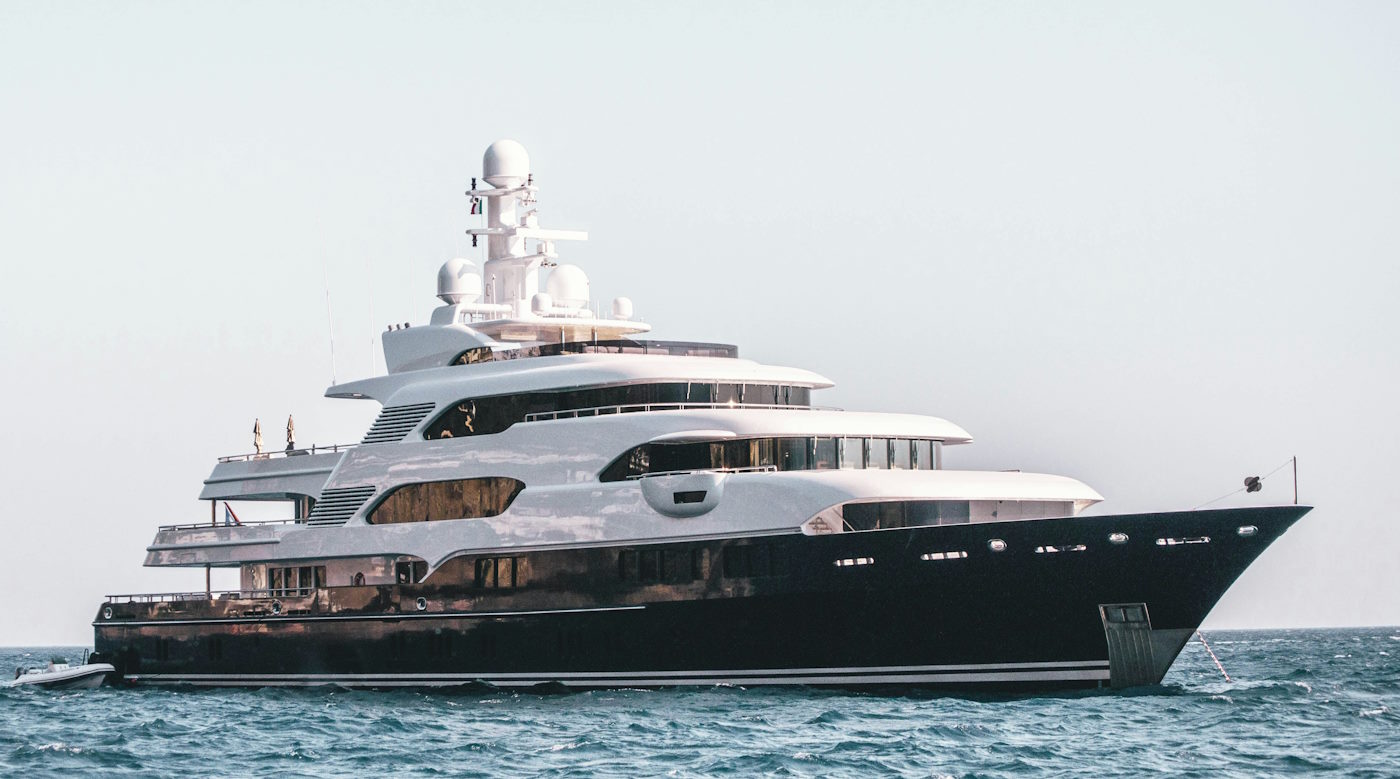
front of the boat

With so many different types of yachts to choose from, it can be hard to know your Flybridges from your Tri-Decks if you’re just starting your search. Although there is a growing number of terms used to describe the different types of yachts out there, many of the terms overlap or are used interchangeably.

If you’re on the market for a yacht, the team here at Van Isle Marina has compiled a review of the different terms you’ll likely come across when cruising through yachts for sale.

The term ‘boat’ is used to describe any water vessel, propelled by either sails, an engine, or manpower. It’s not very specific, which means yachts, dinghies, and everything in between technically fall under the blanket term ‘boat’.

The term ‘yacht’ brings a little more prestige and sophistication with its origin story, being derived from the word “hunter” in Dutch. Hundreds of years ago, the Dutch navy built and sailed yachts to literally hunt down pirate ships in shallow waters. That’s part of the reason why both powerboats and sailboats can be classified as ‘yachts. It didn’t take long for other nations to catch on, using the Dutch idea for navy ships and eventually racing vessels and private, recreational vessels.

Size

The size is one of the most common factors used to determine whether a boat should be classified as a yacht or not. When it comes to size, there are no official rules, so it depends on who you ask. Some will say the boat needs to be at least 35 feet to qualify as a yacht – others will say even longer. If you’re yacht is more than 75 feet, you’re approaching Super Yacht range, and if it’s more than 250 feet you’re in Mega Yacht territory.

Despite the uncertainty around size-based classification, typically, you’ll know it when you see it. That massive vessel that looks like it could sleep a 10+ and needs a dozen ropes to secure it to the dock? That’s definitely a yacht. And that small, single-level boat with not a lot of room to stand? That’s definitely a boat.

The downside of using size as the only determining factor is it’s black and white. If you set the boundaries with size, there’s no room for gray area. Let’s explore more…

Luxury Living

luxurious yacht on the water

Yachts are an international symbol of luxury and wealth around the world. The yacht is synonymous with luxury, which can actually help us when classifying boats as yachts or not. If the boat is built with luxury top of mind, it is probably a yacht.

How do you spot luxury? From the shore, the exterior of a yacht is typically sleeker with distinct accent styles. But the real luxury becomes evident when you step on board. Yachts are built with spacious living areas, full-size kitchens and bathrooms, advanced TV and audio systems, and designer-style furnishings. You might even find hot tubs, a pool, and a helicopter pad in ultra-luxurious cases.

Price

If you’re closing in on the purchase of your new boat and you’re still unsure whether it’s a yacht or not, the price tag should give you some indication. Yachts are known to cost far more than boats, due to their level of luxury and comfort, size, and usage. For a brand-new yacht, you can easily pay $100,000+ per foot, which means you’re looking at millions of dollars for the total price.

There are other costs to consider as well. Because yachts are larger, most will require a professional crew (or at least a captain) on board. Then there’s maintenance and insurance, both of which will cost more for a yacht.

Usage

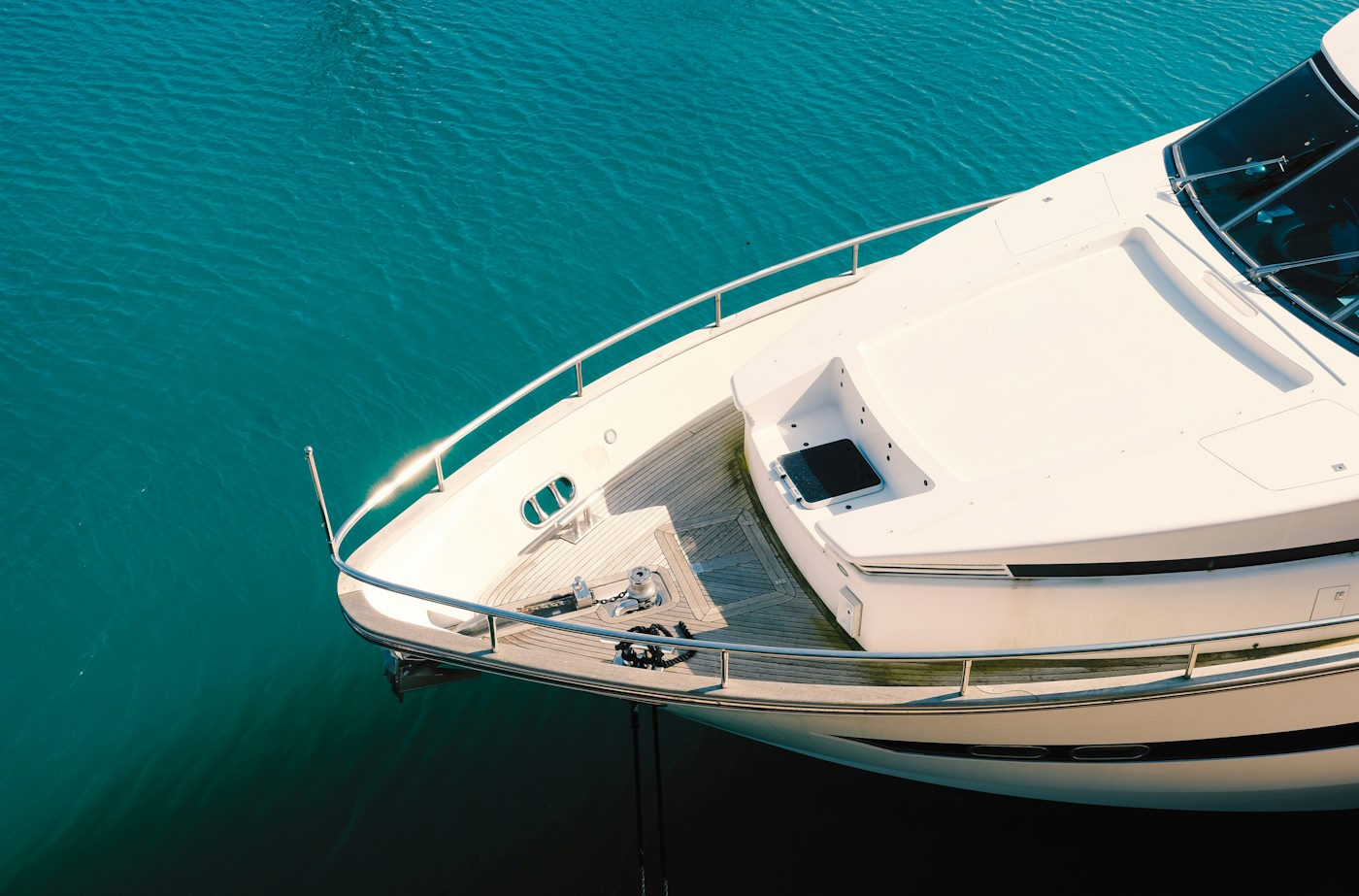
boat cruising from above

Another key differentiator between boats and yachts is their purpose – what they’re being used for out on the water. There is no nailed-down definition of what makes a yacht a yacht, but most boaters consider a yacht to be any type of sea vessel that is used strictly for recreational or pleasure purposes, like cruising, entertaining, water sports, fishing, or year-round accommodations.

The only purpose of a yacht is recreation. But more specifically, yachts are designed for personal pleasure and leisure, whether that’s long, ocean-crossing journeys or anchoring near a buzzing port town.

On the other hand, if the vessel is doing a job or being used for a specific activity, it’s not a yacht. If the boat is involved in any commercial activity, it’s only a boat. Even if it’s being used recreationally, for example, fishing or watersports, the boat is still a boat.

Handling Conditions

conditions in the open ocean

When you’re out on the open ocean, you’ll have high winds and dangerous waters to deal with. In these conditions, size will definitely work to your advantage. And while you’re closer to shore, you can expect the conditions to be much calmer.

When it comes to dealing with conditions, one worthwhile classification system places boats into one of 4 categories, labelled A through D:

Class A: These are large yachts capable of handling high winds (force 8 on the Beaufort scale) and up to 13-foot waves in the open ocean. These boats are certainly yachts and are built for the open ocean.

Class B: While these yachts aren’t quite designed for the open ocean, they’re very capable craft. Also known as “offshore vessels”, Class B yachts are best suited for waters less than 200 miles (321km) from shore.

Class C: Class C boats are typically known as ‘boats’, as they’re designed for inshore and nearshore excursions – not the open ocean. These boats are fine with waves a few feet high, but anything higher than that is dangerous.

Class D: These boats are typically small ones and are not built for harsh conditions. These crafts can handle winds of up to 25km/hour and waves just a couple of feet high.

Types of Yachts

A yacht is first defined either as a sailing yacht, motor yacht, or gulet yacht, and then as a sports yacht or luxury yacht.

  • Sailing Yacht: a yacht mainly propelled by wind and sails
  • Motor Yacht: a yacht propelled via one or more motors
  • Gulet Yacht: a hybrid yacht with both sails and motors
  • Open Yacht, Cruiser, Cabin Cruiser, Express Cruiser: an otherwise uncategorized standard yacht for cruising and entertaining
  • Luxury Yacht: a yacht that includes high-end finishes and features, and the latest in modern performance technology. The term ‘luxury’ can precede any type of yacht, i.e. “luxury motor yacht”, “luxury sailing yacht”, etc.
  • Sports Yacht: a yacht geared towards fishing, water sports, or cruising with a sleeker design and more powerful motor for faster cruising speeds. The term ‘sports’ can precede other types of yachts as well, i.e. “sports motor yacht”.
  • Catamaran Yacht: a yacht with two hulls (pontoons), often made of fibreglass, that can be used in shallow waters.

Yacht Style Categories

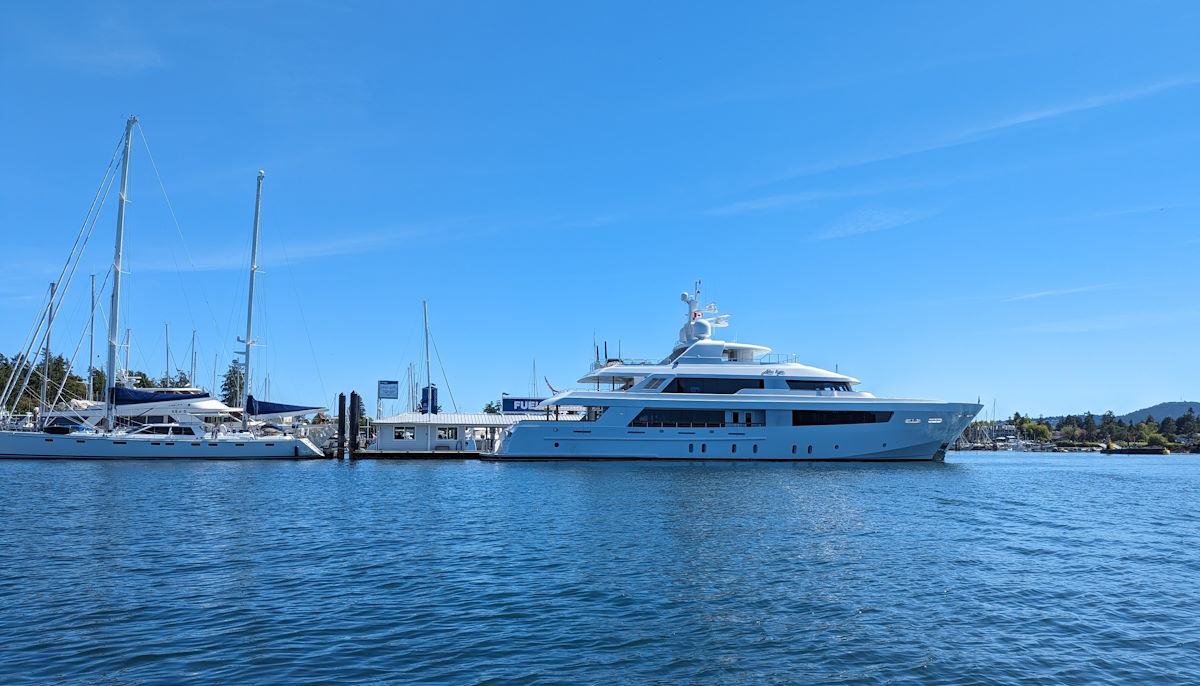
yachts in the marina

Yachts can further be grouped or defined according to their form and function, such as with flybridge, sedan, pilot house, and sportfish yachts, for example.

  • Classic Motor Yacht: a yacht that was built between the 1920s and 1970s (before today’s modern technology began dominating modern yacht manufacturing). A modern yacht can be built based on the classic motor yacht style.
  • Sedan: a popular yacht style with deck space above the hull and living quarters below. The living quarters of a sedan yacht are enclosed and single-level.
  • Flybridge: a sedan-style yacht with an open deck and more comfortable living space above the main bridge of a vessel.
  • Daybridge: a multi-level yacht that is even more open than a flybridge. Pursuit Sport Yachts are known for creating this distinctive style of yacht.
  • Open or Enclosed: a term used to describe the layout of and access to the flybridge. In an enclosed flybridge, access to the above flybridge is enclosed inside the living space. In an open flybridge, access to the flybridge above is open to the elements.
  • Downeast Style: a low-profile yacht with a large working cockpit and small helm station. This highly recognizable style is inspired by the mid-1900s traditional Maine lobster boat. Back Cove yachts are a shining example of downeast-style inspired yachts.
  • Pilothouse: A multi-deck yacht, like a flybridge with a larger interior main deck.
  • Sky Lounge: an enclosed area at the top of the vessel that provides the benefits of the view but with several amenities, protection from the elements, expansive windows and sometimes a sunroof.
  • Cockpit Motor Yacht: a yacht with more cockpit space than deck space.
  • Sportfish or Sport Fishing Yacht: A yacht used for fishing with a large cockpit, storage space, and the ability to handle rougher seas. These can also be referred to as Flybridge Sportfish or Sportfish Express and are built for longer durations out on the water.
  • Convertible: a yacht that combines features of a standard motor yacht with a sportfish yacht to have entertaining space when you need it, and also fishing space when you need it.
  • SUV: a yacht that combines features of a standard motor yacht and a sport yacht.
  • Tri-Decks: a superyacht with three levels of staggered, enclosed living space.
  • Expedition Yachts: a large yacht with a deeper displacement hull for more stability and comfort during longer-range trips.

There are dozens of governing bodies, societies, and other organizations that set standards, classifications, and definitions in the world of boating. There are different authorities like this all over the world, so it’s a good idea to check in with local groups or areas you plan to visit.

If you’re in the market for a new boat or yacht, head over to Van Isle Marina on Harbour Road in Sidney, BC. You can browse our selection of yachts for sale on our website, but be sure to stop by the marina to check out our facilities, fuel dock and West Coast Waterfront Grill.

A Step-by-Step Guide on How to Clean a Fish While On Your Boat

It’s never the best part of the fishing experience, and it’s often a thankless task, but someone on board the boat has got to do it. We’re talking about cleaning your catch. Knowing how to clean a fish properly is something every fisherman should know how to do. It’s the first step in getting your fish to taste delicious, after all.

Browse our Fishing Boats for Sale

When should you clean your fish?

Try to clean your fish within an hour or two of catching it, or at the very least, on the day you catch it – this is true even if you are planning on freezing the fish eventually. If you’ll be out fishing for several days on your yacht, it will be important that you have everything you need on board to easily clean your catch right there on the boat. Fortunately, you don’t need much to clean a fish.

Here’s our quick guide to cleaning a fish on board your boat:

To clean a fish, you’ll need a:


  • Sanitary work station
  • Dull butter knife, spoon or fork for removing scales
  • Sharp knife for gutting your fish
  • Bucket to collect your fish guts
  • Clean ice bucket to collect your clean fish
  • Newspaper or plastic lining (optional)
  • Clean running water
  • A fish or two are worthy of getting your hands dirty

Cleaning a fish in 7 easy steps

Step 1: Bleed the Fish

A fish should be bled when you first catch it to preserve the flavour of the meat and to make for a cleaner gutting experience. To do so, make a shallow incision under the fish’s gills. Snap its head back, breaking the spinal cord, then thread a rope through its mouth and out the gills. Allow the fish to bleed out into the water. Put the fresh catch on ice. Keep it there until you’re ready for the next steps.

Step 2: Prepare Your Materials

Lay out some newspaper on your sanitized workspace to help absorb liquids spilling from the fish and onto the floor. Do your fish cleaning outdoors if possible as it’s going to get messy! Use gloves if you prefer and have them handy.

Have your bag or bucket nearby to collect the bones, fins, head, and guts of the fish.

Inspect your fish for signs of diseases, including spots, sores, wounds, and discolouration, before proceeding.

Step 3: Remove Scales

Remove the scales from your cold fish using a dull knife, fork, or spoon. From the tail towards the head, use a raking motion working against the direction of the scales. Do both sides of the fish, as well as the top and bottom.

Don’t worry if you can’t remove all the scales (they are not harmful to consume) – just aim for most of them because they don’t taste very good.

If you’re dealing with a thick-skinned fish, consider skinning it instead of descaling. To do this, cut a 1-inch notch where the top of the fish’s head connects to its body. Grip the fish at the head and simply peel the skin down to the tail. Pliers might be needed if the skin is tough.

Step 4: Remove Guts

It’s time to gut your fish. To do so, cut a long, shallow incision along the belly of the fish from the anus to the base of the gills. The incision must be shallow, or you’ll nick the intestines, making them harder and much messier to remove.

Remove the fish guts from the abdominal cavity with your fingers or scoop them out with a spoon. We told you it wasn’t going to be fun! The guts should be easy to remove, albeit unpleasant. Don’t miss anything! There might be darker membranes remaining in certain types of fish. Be sure to scrape these out as well to prevent a strong flavour and aroma from making its way into your meal.

Step 5: Remove Fins and Head

Remove the head of the fish if you plan on doing so. Cut it off from directly behind the gills. Some people choose to leave the head on the fish, and in some cooking methods – for trout especially – the head adds flavour and depth to your dish.

Next, remove the dorsal fin at the bottom of the fish (also optional) by quickly pulling it firmly towards the head. Removing the dorsal fin, if done in a swift motion, removes many small bones from your fish. You can also just cut it off.

Dispose of your fish guts responsibly. The cleaning station at the marina should have disposal bins. If you’re out on the open ocean, toss the guts back in, but if you’re in a residential area/smaller lake, it’s best to wrap these up in the newspaper and dispose of them when you’re back on shore.

Step 6: Rinse or Wipe Down the Fish

Quickly rinse the fish in cold water – inside and out – specifically rinsing off any blood, sticky scales, and other random fish bits. There are no cleaning chemicals required here – just water ought to do it. However, don’t overdo it with the water, or else you end up washing away the flavour of the fish. If you prefer, you can gently wipe the fish with a paper towel rather than rinsing it.

Step 7: Cook Your Fish

Depending on your preferred cooking method, you might have more prep work to do before you can cook your fish, like filleting or cutting it into steaks, and removing its backbone prior to cooking (if you’re not BBQing or baking it whole).

Either way, you’re done cleaning and are well on your way to enjoying your catch of the day!

For tips on how to hook the fish in the first place, check out our Lures or Bait debate.

At Van Isle Marina in Victoria, BC, we are a big boating community who know their fish. Looking for the best fishing boat to help you catch fish in more style and comfort? Check out some of the yachts we have available for sale. We specialize in new Pursuit boats, in addition to the many pre-owned boats for sale at our marina.

Contact Van Isle Marina Today

Boat Licence, Registration and Insurance

What Documentation Do I Need to Operate a Boat?

One of the common questions we get from prospective boat and yacht owners is, “Do I need a licence to operate a boat?”

The short answer is no, not in the spirit of having a driver’s licence, but you do need to demonstrate to the federal government that you are competent to operate your vessel.

Let’s take a closer look at the documentation that is required to own and operate a yacht-sized boat in Canada.

Proof of Compete

To legally operate a powerboat or any motorized vessel in Canada, you must demonstrate to the federal government that you have a basic understanding of how to safely operate and navigate your vessel. This is called proof of competency.

A Pleasure Craft Operator Card (PCOC) is the most common way boaters show their proof of competency, but as per Transport Canada, there are other ways to show boating competency, such as:

  • proof of having passed a boating safety course in Canada before April 1, 1999;
  • a specified marine certificate; or
  • a completed rental boat safety checklist (good only for rental period).

A PCOC is not technically a licence, yet the boating community commonly refers to it as such. This card is good for life and can never be suspended or revoked.

You can get a PCOC relatively easy by taking an online boat safety course and exam provided by a Transport Canada-accredited company.

Note that there are no age restrictions to getting a PCOC – a person just needs to be old enough to pass the competency test.

Personal Identification

Along with your proof of competency, make sure you also bring your photo identification with you when you’re out boating. A PCOC or other form of safety certification doesn’t have your photo on it, so you will need a way to show law enforcement you are the same person as the person whose name is on your PCOC.

With your Pleasure Craft Operator Card and I.D. in tow, you can now operate a motorized vehicle in Canada. But you’ll likely need further documentation with you in order to get very far.

Pleasure Craft Licence

In Canada, a pleasure craft with a motor that exceeds 7.5 kW (10 hp) and is not registered must be licenced. No fee is required to get this licence. A pleasure craft licence is valid for 10 years and gives your vessel a unique licence number that you must stow on the boat as well as display on the bow. Because the numbers are used by Search and Rescue and other emergency personnel, the letters must be clearly visible and as far forward as possible on both sides of the bow.

Don’t forget to also licence any motorboats above 10 hp that you have with you in tow or on board, such as dinghies and lifeboats.

Getting a pleasure craft licence can be done online, or your yacht broker can help walk you through the process. If your boat does not need a pleasure craft licence, you can still choose to get one for safety reasons.

Transferring Pre-Owned Boat Licences

If you’re buying a used boat or yacht, you must transfer its licence number within 90 days. A yacht broker can also assist with this.

Proof of Ownership

If you plan to boat internationally, having proof of ownership on board is a must. A licenced vessel is not proof of ownership, so you’ll need to bring proof of ownership papers with you. Ask your yacht broker about what papers will work. You’ll also need proof of ownership for your dinghies or lifeboats. Not having the proper documents with you may result in trouble clearing customs.

Registering Your Boat or Yacht

In some cases, a boat or yacht can be registered instead of being licenced. Although you are no longer required to register a pleasure craft over 15 gross tons, you can choose to do so.

Why Register Your Yacht?

There are many benefits to registering your yacht that simple licensing doesn’t cover:

  • proof of ownership (legal title) for your boat
  • an easier time traveling internationally
  • the right to fly the Canadian flag;
  • an official name and serial number to be displayed on your bow. Your boat’s name will potentially be seen by people around the world, so choose wisely!
  • the right to use your boat as security for a marine mortgage.

For more information about licensing or registering your boats, visit us at Van Isle Marina, or contact the Transport Canada Vessel Registration Office.

Captain’s Licence

If you’ll be charging passengers for their time on board, you’re entering the territory of non-pleasure craft operation and could end up requiring a captain’s licence. The qualifications, training, and technical knowledge required to become a captain vary considerably, usually depending on the size of your vessel and the number of passengers you’d ultimately be responsible for.

See Transport Canada’s Marine Personnel Regulations or call a Transport Canada office for more information.

Boat Insurance

Unlike cars, you’re not legally obligated to have boater’s insurance in order to operate. Although boat insurance should never, ever be skipped, it is not a legal requirement to be out on the water. However, most marinas will require you to have insurance in order to moor your boat.

Liquor Licence for Yachts

A liquor licence is not required for private vessel operators – they are your private property, after all. There are exceptions to this rule so it’s best to double check with your yacht broker who can go over the regulations with you depending on what you plan on using your yacht for. For example, chartered yacht operators who are renting their yacht to the general public must have a liquor licence to serve and charge passengers for alcohol. Remember that it’s always illegal to operate your vessel when you’re impaired by alcohol. 

Navigating Your Yacht’s Required Documentation

Located in Sidney, BC, Van Isle Marina is here to help our boat and yacht buyers in the Pacific Northwest navigate their new boat’s documentation requirements. It’s all part of the Van Isle Marina sales experience. Because having the right documents on your yacht leads to smoother sailing for everyone.

Van Isle Marina’s expert yacht sales brokers are available to answer any other questions you might have about yacht ownership. Contact us today or come and see us (and our yachts!) in person.

Lures or Bait?

Lure or Live Bait? Understanding the Pros and Cons of Each

When it comes to catching fish as quickly and effortlessly as possible, the question of which is better – artificial lures or real bait – depends on what you’re trying to catch and in what conditions you’re trying to catch it. Sometimes a lure is best, while other times, bait is the way to go. However, there are some general pros and cons to each method.

>> If you’re looking for a new fishing boat, check out our selection at Van Isle Marina: Boats for sale.

Fishing with Lures

Fishing lures are small, artificial objects often shaped like a fish’s prey that are attached to a hook and tied to the end of a fishing line. They are used to attract fish to your line.

There are many different types of lures on the market such as jigs, spinners, spoons, fly lures, crankbaits, and plugs. Some lure manufacturers have even added LEDs to the mix.

Whether they are made from rubber, plastic, metal or a mix of such materials, fishing lures are often weighted and use a combination of movements, vibrations, colours and shiny reflections to entice fish to bite.

The Pros of Fishing with Lures

  • Lures are one-time, reusable purchases.
  • Lures don’t require special storage like dirt or water tanks, which significantly reduces the weight of your tackle box.
  • Lures are not dirty or smelly.
  • Lures are fun to collect and actively engaging and satisfying to use.
  • Lures often lead to bigger catches and fewer unwanted fish on your line.
  • Lures help increase the survival rate of fish in catch and release fishing by reducing deep hooking – an occurrence that leads to higher mortality rates in fish.
  • Lures reduce an angler’s use of bait, which helps maintain populations of bait species from being overharvested.

The Cons of Fishing with Lures

  • With so many varieties of fishing lures out there, it can take some trial and error to find the best ones for what you’re trying to catch. This means you might end up with clutter in your tackle box.
  • No matter how fun lures are to collect, lures can get expensive if you’re not careful, and they won’t all work.
  • Lures can get stuck in weeds, branches, and rocks. And they won’t be all that effective in murky waters or at night time.
  • Fishing lures work best when they are cast where an abundant amount of fish is present. Unlike bait, lures won’t attract fish from far and wide, so you might be waiting a while for a bite and be required to move around to different areas.
  • Lures require the right combination of weight, hook sizes, and colours to work effectively for what type of fish you’re trying to catch, so they aren’t as straightforward as bait. In short – the number of options can be overwhelming for beginners.

When to Use Fishing Lures

For better or worse, the effectiveness of lures relies on just the right conditions. Lures are best used when:

  • The water is nice and clear
  • The weather is warmer
  • You’re dealing with aggressive, predatory fish
  • There are a lot of undersized or non-target fish present
  • You’re in a catch and release area
  • When signs are deeming the waters “artificial only” or “fly and lure only”


Fishing with Bait

Natural baits are living critters that are used to attract fish to your hook. The most common types are worms, minnows, leeches, insects and shrimp. Rather than artificial lures, which mimic a fish’s prey, bait ARE actual fish prey.

The Pros of Fishing with Bait

  • Bait is highly effective because fish are more attracted to the real live prey you’re delivering. They latch on with gusto, improving the chances of a deep hooked fish on the end of your line – one who is less likely to fall off. (A deep-hooked fish is a con if you’re doing catch and release, however.)
  • Bait appeals to a wide range of fish species, increasing the likelihood you’ll catch something.
  • Bait is often cheaper than lures in the long run. It’s free if you find your own while out and about in nature.
  • Bait attracts fish from far and wide, so you can easily set your rod up and just wait for something to bite.
  • Unused bait can be returned to nature, or even frozen until your next trip.
  • Researching bait basics helps give you a better understanding of which fish prefer which prey.

The Cons of Fishing with Bait

  • Bait is messier and smellier than fishing with lures. Prepare to get your hands, clothing, and gear smelly and dirty, especially if you’re capturing your own bait.
  • Bait needs special storage considerations like refrigeration or circulating water.
  • Due to these storage considerations, bait is usually heavier to lug around than artificial lures.
  • Bait requires more frequent trips to the bait shop and planning to make sure you have enough.
  • Fishing with bait contributes to the overharvesting of fish prey.
  • Bait attracts any and all types of fish, including small ones or otherwise not the ones you were looking to catch.
  • Bait increases the rate of deeply hooked fish – only a con in catch and release fishing as this decreases the survival rate of the fish.

When to Use Bait

As with lures, the effectiveness of bait relies on just the right conditions. Bait is best used when:

  • The water is muddy or murky
  • It’s nighttime
  • You’re a beginner looking to catch something, anything
  • You’re fishing for keeps
  • It’s cold outside, or better yet, when ice fishing
  • Your next meal depends on it!

In the end, there is no clear winner in the lures vs. bait debate. And this is by no means an exhaustive list of each method’s strengths and weaknesses.

Each method of fishing has its pros and cons – it all depends on what species you’re trying to catch, your level of experience, and your conditions.

At Van Isle Marina in Sidney, BC, near Swartz Bay Ferry Terminal, we love talking fishing with our clients and visitors and would be happy to give you some pointers and talk about what works for our waters. Come see us with all your fishing and boating related questions. Find us at 2320 Harbour Road. Find out how to get here.

Yacht Life: 8 Things You’ll Love About Living on a Yacht

What’s It Like Living on a Yacht?

For many people, a property with an ocean view is the most coveted type of property there is. No matter the season, gazing out into the vast ocean and watching the sunset can be a breathtaking experience.

But have you ever considered what this view would be like from your own personal yacht? Probably about a million times more stunning! The tranquil, beautiful ocean views that a yacht offers are just a few of the many reasons why life is simply better on a boat.

The Yachting Lifestyle

When you see a luxury yacht moored at your local marina, do you ever find yourself wondering what life on board is like?

Simply put, it does not matter what type of yacht you’re on. Life on a yacht is purely what you make of it.

Here are 8 things you’ll love about life on a yacht:

Time to Relax

Life on a yacht is as calm and quiet as you want it to be, ensuring you have tons of time to relax and escape the stresses of everyday life on land. No matter the size or speed of your boat, you’ll be free from the constant hum of traffic, that annoying barking dog, and your neighbour’s noisy toddler. You’ll escape everything else you didn’t even know was stressing you out.

Privacy & Security

Many yacht owners say one of the things they most appreciate about life on the water is how much privacy they have. When you live on a yacht, you won’t have to deal with things like unexpected guests popping by or keeping the curtains closed and the doors locked at nighttime.

Exploring the World

One of the things most yacht owners love is the freedom to pick up and go whenever the mood strikes. Yachting is the ultimate way to travel and explore the world from port to port to port. You’ll never have to sleep in the same spot twice, and you will finally be able to travel with that friend or relative who fears flying.

Making Memories

Whether you do it for a few days, a few weeks, or you live on your yacht for years at a time, you’ll never forget the feeling of how special your time on the water will be. Life on a yacht makes for great photos, great conversations, and a sense of pride for the owner.

Decluttering Your Life

If you’re looking to downsize and declutter, life on a yacht may just be the excuse you were looking for to sell everything off, pack up the rest, and go.

Many Ways to Entertain

Wondering how you’ll spend time aboard your yacht? The possibilities are endless. Today’s luxury yachts offer modern kitchens, multiple bedrooms and living rooms, multiple sun decks, fitness gyms, modern kitchens, huge theatres, high-end sound systems, hot tubs, pools, and much more. You’ll feel like you’re on your own personal cruise ship.

Endless Ocean Views

As we mentioned earlier, ocean views aboard a yacht cannot be beaten. While you’re enjoying all the above, endless ocean views surround you while you’re living life on your yacht.

Ways to Make Life on a Yacht Even Better

  • Before buying a yacht, spend a few nights on one to make sure you can handle life at sea.
  • If you’re a light sleeper or are prone to getting motion sickness, a larger yacht will rock less during stormy weather.
  • Talk with other yacht owners to find out what works for them.
  • Research the resale value of your yacht if you plan on selling.
  • Bookmark our blog for more tips!


Questions about life on a yacht? Understanding the potentials of life on a motor yacht cannot be explained in one short article. If you would like to learn more about what type of yacht would be right for you, Van Isle Marina is here to help. Please contact one of our Yacht Sales Brokers or call us at 250.656.1138.

ROAM – Clearing Customs by Boat

CBP ROAM screenshot


The U.S. Customs and Border Protection Agency has announced the launch of a new streamlined, yet comprehensive way to clear customs for boaters travelling from Canada to the United States. ROAM (Reporting Offsite Arrival-Mobile) is an alternative method to the typical face-to-face customs clearing that most people are used to.

Small pleasure craft arriving to the United States must immediately declare themselves to U.S. Customs and Border Protection. Using ROAM, boaters have the option of remotely reporting their arrival through the app on their mobile phone. This method reduces wait times for clearance, as no officer is required on board to search the vessel. Instead, boaters input their personal information and the specifications of their trip and officers can choose to video chat with boaters and remotely inspect if they deem it to be necessary.

Exceptions to using the app are:

  • Travelers who require an I-94;
  • Travelers who wish to obtain a cruising license;
  • Travelers who must pay duties on imported goods; and
  • Other circumstances as applicable.

The app is available on Google Play and Apple iTunes Store, and is currently in use in Alaska, Washington, Detroit, Port Huron and Sault St. Marie.

More information can be found on the U.S. Department of Homeland Security’s website, or contact your local port of entry.

Protected Anchorages in the Gulf Islands

The sun has officially set on summer, and winter is on the horizon. The “off-season” brings a plethora of wild and glorious weather to the Pacific Northwest. In an instant, things can change and even the most experienced boater may need to seek refuge. Below is a list of a handful of the many anchorages in the Gulf Islands that can provide shelter during a storm.

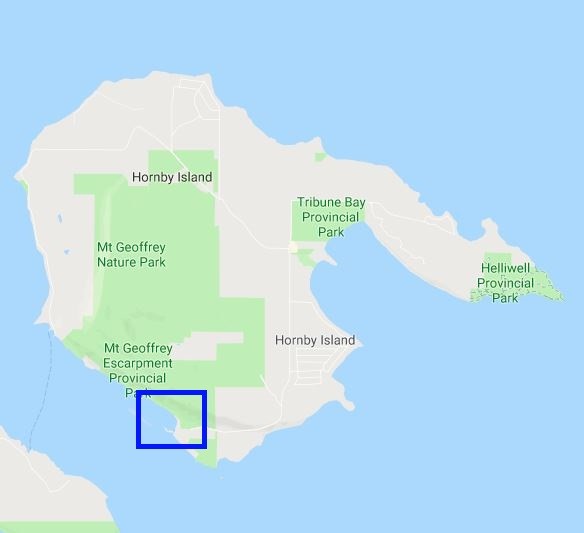
Ford’s Cove – Hornby Island

Ford’s Cove – Hornby Island

Ford’s Cove is the only completely protected anchorage on Hornby Island. The southern tip of Denman Island blocks any south winds, while Hornby and the Ford’s Cove spit protects from the other directions.

The bottom is a mix of sand and mud which provides a lot of hold during stormy weather, and the depth of the water typically ranges from three to five meters.

If amenities are needed, the Ford’s Cove Harbour has washrooms, electricity and a small store.

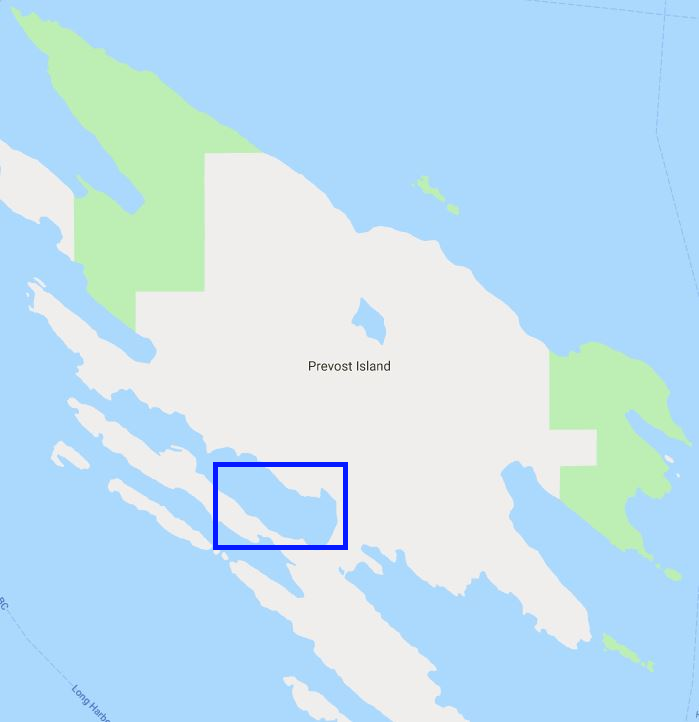
Annette Inlet – Prevost Island


Annette Inlet Anchorage – Prevost Island

Prevost Island has no lack of great anchorages, but Annette Inlet is a local favourite.

Not only is it beautiful, but it is easy to maneuver and sheltered. While this area does lack immediate amenities, Annette Inlet is spacious and less busy than most other anchorages its size.

The surrounding area is private property, so trips ashore are discouraged.

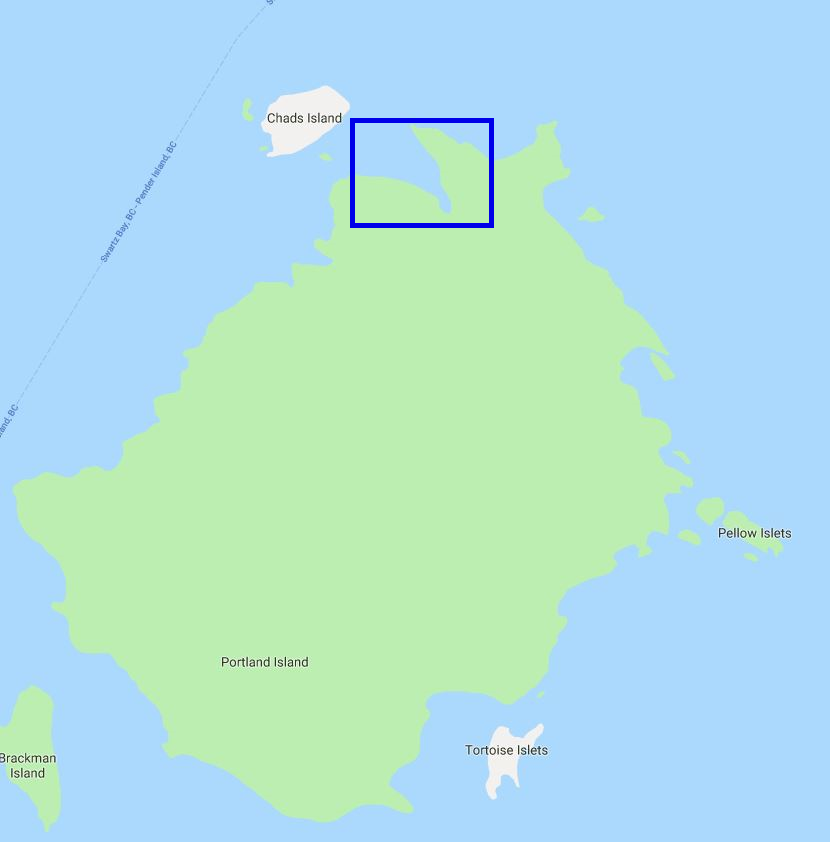
Royal Cove – Portland Island


Royal Cove Anchorage – Portland Island


Royal Cove is nestled in the northern most part of Portland Island. It is a quiet alternative to Princess Bay, which is located on the southern side of the island.

The cove is quite sheltered, however if you are avoiding a strong north wind, there may be a better suited anchorage for you elsewhere.

Your anchor is sure to stay put, as the bottom is made up of thick mud. If you have a deep keel, be wary of the rocks located on the west side of the cove.

Clam Bay – Thetis Island


Clam Bay Anchorage - Thetis Island

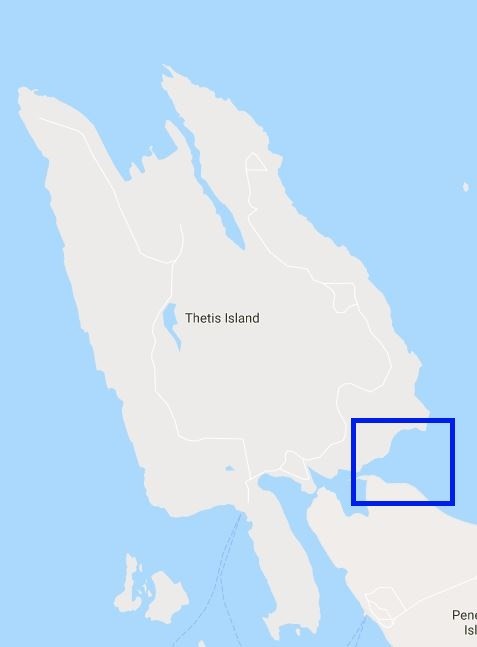
The aptly named Clam Bay (previously the site of a large shellfish operation) is tucked in between Thetis Island and Penelakut Island. The two islands are separated by a very small channel which is maneuverable by dinghy and will lead you right to the amenities at Telegraph Cove.

This anchorage will provide you shelter in all but an easterly wind. The bottom is stable with mud and sand, and anchor holding is typically found around six to twelve metres.

We encourage you to refer to your navigational aids and do your research before checking out a new anchorage. Do you have a favourite location to anchor during troubled seas? Let us know in the comments!

Bird Watching in Sidney B.C.

Previously, bird watching has been known as your “Grandmother’s hobby”, but more recently it has become a wildly popular past-time for all ages. Due to Sidney’s many ecological reserves and parks, local birdwatching has taken off. With Vancouver Island’s mild climate, there are large selections of birds who permanently nest, as well as migratory birds who only show themselves seasonally.

Keep an eye open for bird sanctuary signs like the one below that indicate areas for bird watching. Frequently there are information signs with listing common species to the area and information on their habitats.


Check out our local favourite spots below:

Robert’s Bay – Shoal Harbour Bird Sanctuary


Robert’s Bay is only a few steps away from Van Isle Marina. It is home to many native shrubs and trees that provide hunting grounds and nesting sites for many mammals, not just birds! The mud flats at Robert’s Bay are an important part of the local ecosystem as many mud shrimp and small creatures are found here, which feed many birds. The ever first photo documented record of the rare Laughing Gull in British Columbia took place here!

Common birds:

  • Harlequin Duck
  • Great Blue Heron
  • Bonaparte’s’ Gull

Land’s End Road


Land’s End Road is the northern-most point of the Saanich Peninsula, mostly commonly known for being home to the Swartz Bay Ferry terminal. This area is also home to a significant amount of birds who rely on the sandy beaches and low tides to feast. The dense forests surrounding the area provide shelter from the elements and provide perches to nest.

Common Birds:

  • Black Oystercatcher
  • Bald eagle
  • Killdeer

Victoria International Airport


Even with constant airplanes passing over, sightings of rare birds are frequent in this area! The airport is the only place in North America that you can spot Skylarks. The Victoria International Airport Authority has worked alongside the Victoria Natural History Society make the lands that surround the airport more of a suitable habitat for the Skylarks. As these birds are ground nesters, initiatives include mowing specific plots of land to make the area more suitable to nests. The 9 km pathway around the airport is a great way to see birds by foot or by bike.

Common Birds:

  • Black-capped Chickadee
  • Bald Eagle
  • Northwest Crow

Sidney Spit


During Fall and Spring migrations, Sidney Spit is a birder’s paradise. Due to recent efforts to better preserve the spit and surrounding area, Purple Martins have made a comeback and can be seen in the nesting boxes along the docks.

Common Birds:

  • Purple Martins
  • Nighthawks
  • Marbled Murrelets

Are any of your favourite bird watching locations on the Saanich Peninsula? Let us know in the comments!